
Psilocybin and Cellular Longevity:
Extending Human Life at the Cellular Level
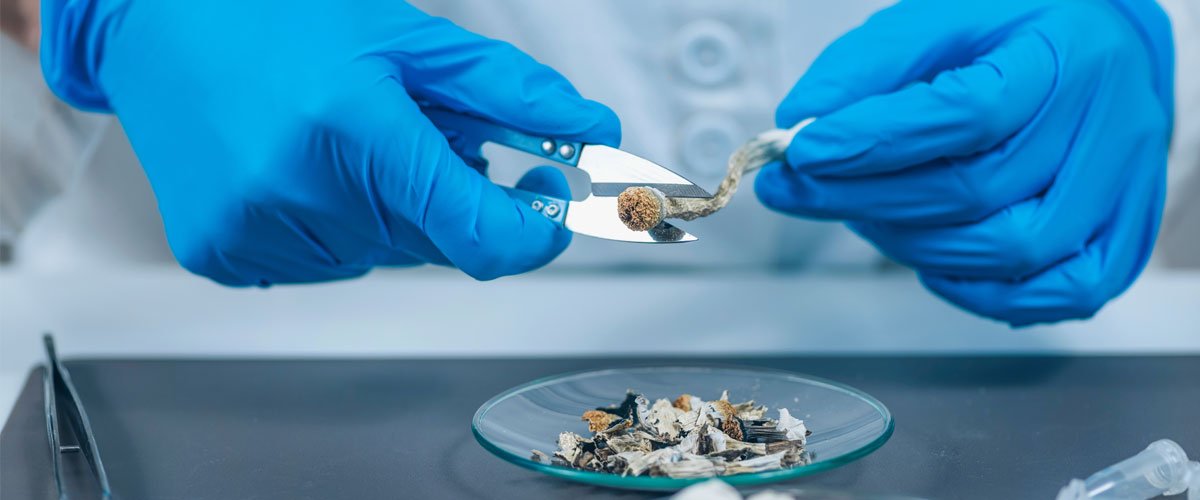
Psilocybin, the naturally occurring compound in magic mushrooms, is making headlines not only for its mental health benefits but also for its potential role in longevity science. Emerging research suggests that psilocybin may influence cellular health, helping extend the lifespan of human cells and protecting against age-related decline. This groundbreaking area of study could redefine how we approach aging and holistic wellness.
What is Psilocybin?
Psilocybin is a psychedelic compound found in over 180 species of mushrooms. Traditionally used in spiritual and healing rituals, it has recently gained attention for its therapeutic applications in treating depression, anxiety, and PTSD. Now, scientists are exploring how psilocybin may also impact cellular longevity, making it a candidate for anti-aging research.The Biology of Aging and Cells
To understand psilocybin’s potential, it’s important to first look at how cells age:Slowing these processes is the ultimate goal of longevity science.
Psilocybin and Oxidative Stress Reduction
Studies indicate that psilocybin may reduce oxidative stress by boosting antioxidant pathways. By protecting cells from free radical damage, psilocybin supports healthier mitochondria and maintains energy production. This protective effect could help cells remain youthful and resilient for longer periods.Psilocybin and Telomere Preservation
Telomere length is a strong predictor of cellular lifespan. Short telomeres are linked to aging and chronic disease. Early research suggests psilocybin may influence telomere maintenance, potentially slowing cellular aging. If confirmed, this would place psilocybin at the forefront of natural longevity-enhancing compounds.Psilocybin, Neuroplasticity, and Cellular Repair
One of psilocybin’s best-documented effects is promoting neuroplasticity—the brain’s ability to form new neural connections. Scientists believe this regenerative capacity may extend beyond the brain, encouraging broader cellular repair mechanisms. By enhancing communication and resilience at the cellular level, psilocybin could strengthen the body’s natural defenses against aging.Practical Applications in Longevity Science
Psilocybin’s potential goes far beyond theory. Researchers are exploring its role in:Safety, Risks, and Ethical Considerations
While promising, psilocybin research is still in its early stages. Potential risks include hallucinogenic effects, temporary anxiety, and contraindications with certain medications. Additionally, psilocybin remains illegal in many countries, though several regions are moving toward decriminalization and medical trials. Clinical guidance and ethical frameworks are essential as research advances.The Future of Psilocybin Research
With clinical trials expanding worldwide, psilocybin is rapidly moving from taboo to mainstream science. Its potential impact on cellular longevity, mental health, and holistic wellness makes it a candidate for inclusion in future anti-aging therapies. As data grows, psilocybin may emerge as one of the most powerful natural tools for extending human healthspan.Final Thoughts
Psilocybin is more than a psychedelic—it may be a cellular longevity enhancer. By reducing oxidative stress, supporting telomere health, and promoting repair mechanisms, it could help extend the lifespan of human cells. Though more studies are needed, psilocybin’s role in longevity science is a frontier worth watching, offering hope for a healthier, longer life.Share this Post
Author
Alch is a wellness writer and holistic lifestyle enthusiast passionate about ancient traditions and modern mindful living. With a focus on plant-based practices and spiritual wellness, to help others find balance, connection, and inner healing.
Comments (1)
This article gives me so much hope! I've been researching natural ways to support my body's repair processes for years. The insight on how certain therapies can influence cellular function is exactly the kind of empowering information I needed. I'm excited to explore some of these options.
May 20, 2026 at 6:18 pm