
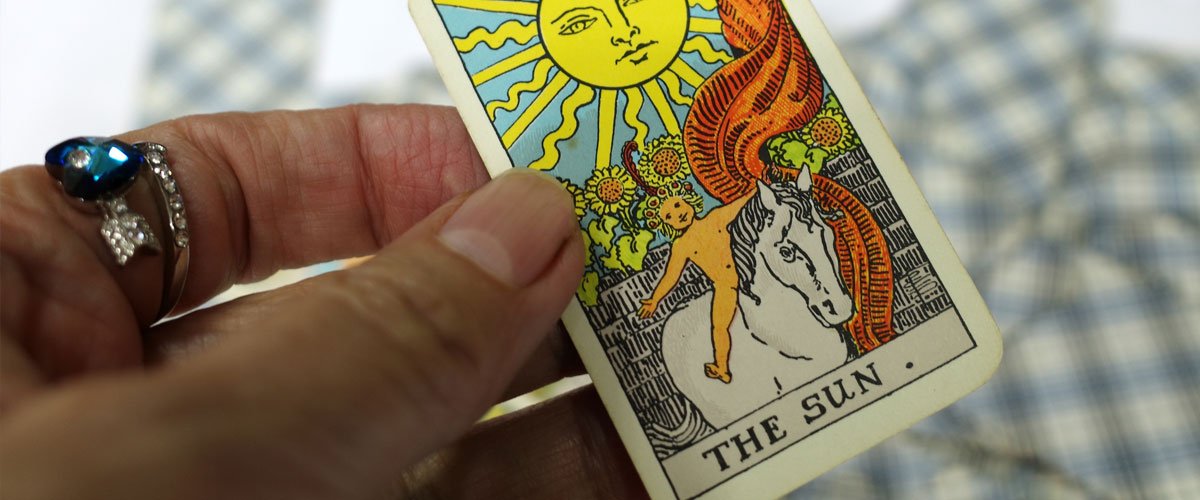
Everything You Need to Know About Tarot Cards:
The Ultimate Beginner’s Guide
Tarot cards have been surrounded by mystery, symbolism, and fascination for centuries. Some see them as a mystical tool, others as a way to reflect on life, and many use them for both spiritual guidance and personal growth. If you’ve ever wondered what tarot cards are, how they work, and how to read them, this guide will give you all the answers you need.
What Are Tarot Cards?
A standard tarot deck contains 78 cards, each filled with symbolic imagery and meaning.The deck is divided into two main groups:
Together, the cards form a map of human experience, giving insight into both the big picture and the small details of life.
The History of Tarot
Tarot wasn’t always linked to fortune-telling. Its origins date back to 15th-century Europe, where it was used as a card game called tarocchi. The cards’ intricate designs made them a favorite among noble families.By the 18th century, mystics began associating tarot with the occult and using it as a divination tool. Symbolism within the cards was linked to astrology, numerology, and esoteric traditions.
Today, tarot is widely used not just for mystical purposes but also for self-reflection, mindfulness, and personal development.
How Do Tarot Readings Work?
At its core, tarot is about storytelling and interpretation. During a reading:
Importantly, tarot does not predict the future with certainty. Instead, it highlights patterns, possibilities, and perspectives you may not have considered.
Popular Tarot Spreads
Tarot spreads are specific layouts used to interpret cards. Some of the most popular include:Beginners often start with one-card or three-card spreads before moving on to more advanced layouts.
Key Tarot Card Meanings
While each of the 78 cards has its own meaning, some are especially iconic:Learning the basic meanings is helpful, but intuition is equally important—each reading is unique.
How to Choose Your First Tarot Deck
With hundreds of tarot decks available, finding the right one can feel overwhelming. Here are some tips:Tips for Learning Tarot
- Practice daily: Pull a card each morning and reflect on its meaning throughout the day.
- Keep a tarot journal: Record your readings and insights to track progress.
- Learn gradually: Start with major arcana, then move into minor arcana.
- Use intuition: Don’t just memorise meanings—notice how the imagery makes you feel.
- Read for yourself and friends: Experience builds confidence and skill.
Common Myths About Tarot
Despite its popularity, tarot is surrounded by myths. Let’s clear up a few:
The Benefits of Tarot
Tarot goes beyond mysticism. It can help you:
Final Thoughts
Tarot cards are more than a mystical practice—they’re a mirror for self-discovery. By learning their meanings, practicing with spreads, and trusting your intuition, you can unlock a tool for clarity, growth, and empowerment.Whether you’re a beginner pulling your first card or a seasoned reader diving deep into symbolism, tarot offers endless opportunities to connect with your inner wisdom and the world around you.
Share this Post
Author
Alch is a wellness writer and holistic lifestyle enthusiast passionate about ancient traditions and modern mindful living. With a focus on plant-based practices and spiritual wellness, to help others find balance, connection, and inner healing.
Comments (2)
Crystals have ancient roots in many cultures. I’m glad to see more people open-minded about alternative medicine — it’s not about replacing science, it’s about complementing it.
November 14, 2026 at 9:35 pmI’m a bit skeptical but fascinated. If nothing else, the ritual of choosing and caring for crystals seems grounding and therapeutic in itself.
November 14, 2026 at 9:35 pm