Everything You Need to Know About Psilocybin
Psilocybin is attracting attention worldwide. Once dismissed as a counterculture substance, it’s now at the center of serious scientific research. But what exactly is psilocybin, how does it work, and why are experts calling it a potential breakthrough in mental health care? This guide covers everything you need to know about psilocybin, including its effects, benefits, risks, and legality.
What Is Psilocybin?
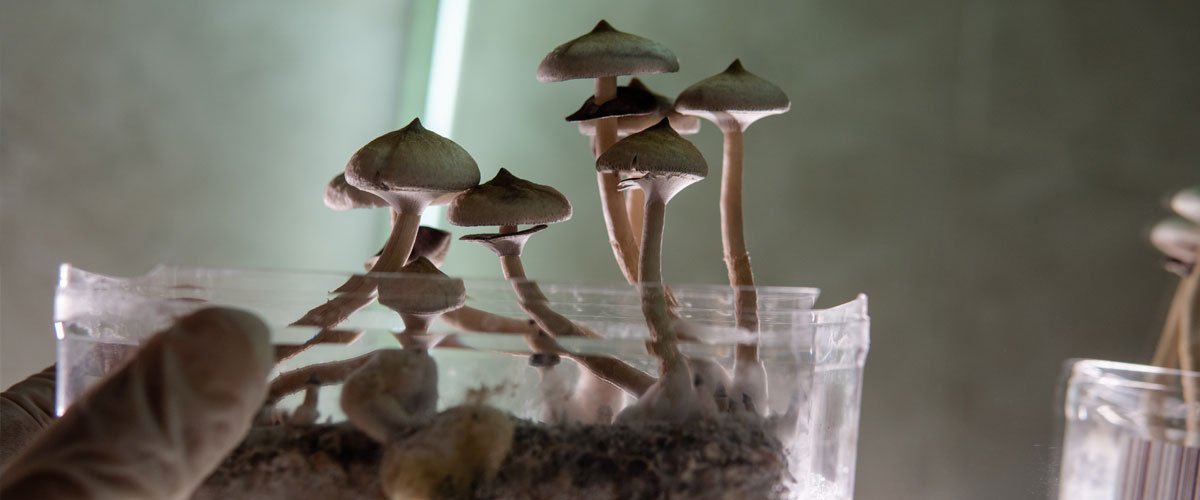
Psilocybin is a naturally occurring psychedelic compound found in over 200 species of mushrooms, often called “magic mushrooms” or “shrooms.” For thousands of years, Indigenous cultures have used psilocybin mushrooms in spiritual and healing ceremonies.When ingested, psilocybin is converted in the body into psilocin, the active compound that produces mind-altering effects. These effects can range from mild sensory changes to profound shifts in consciousness.
How Psilocybin Works in the Brain
Psilocybin primarily interacts with serotonin receptors, especially the 5-HT2A receptor, which plays a major role in mood, perception, and cognition. This interaction temporarily alters brain communication, allowing regions that don’t usually “talk” to each other to connect.Neuroimaging studies show that psilocybin reduces activity in the brain’s default mode network—the system linked to self-reflection, rumination, and the “ego.” This disruption can lead to feelings of interconnectedness, reduced anxiety, and new perspectives on long-standing problems.
Common Effects of Psilocybin
At higher doses, users may encounter challenging experiences, such as confusion, paranoia, or intense emotions. Set (mental state) and setting (environment) play a major role in whether the experience is positive or difficult.
Potential Benefits of Psilocybin Therapy
Modern research is confirming what ancient traditions suggested: psilocybin has therapeutic potential. Clinical trials and studies suggest it may help with:Many participants describe lasting improvements in mood, outlook, and sense of well-being after guided sessions. Unlike traditional antidepressants, psilocybin doesn’t require daily dosing; benefits can persist for months after just one or two sessions.
Safety, Risks, and Side Effects
Psilocybin is considered non-addictive and physically safe at typical doses, but that doesn’t mean it’s risk-free. Potential risks include:For these reasons, experts recommend psilocybin use only in supportive or supervised environments. Preparation, integration (reflecting after the experience), and professional guidance can reduce risks and enhance benefits.
Is Psilocybin Legal?
The legal status of psilocybin varies widely:Always check your local regulations before considering psilocybin.
Final Thoughts on Psilocybin
Psilocybin is moving from taboo to mainstream science. With growing evidence of its potential to ease depression, anxiety, and addiction, it may soon play a key role in modern psychiatry. Still, it’s not a magic cure-all. Safe, guided, and legal use is essential.As research expands and laws shift, psilocybin could reshape how we understand mental health and healing.
Whether you’re curious about its history, its brain effects, or its future role in therapy, one thing is clear: psilocybin is a compound worth watching.
Share this Post
Author
Alch is a wellness writer and holistic lifestyle enthusiast passionate about ancient traditions and modern mindful living. With a focus on plant-based practices and spiritual wellness, to help others find balance, connection, and inner healing.
Comments (2)
I’m intrigued by the concept, but the delivery mechanisms for some of these therapies mentioned seem a bit vague. Can you provide some specific studies or further reading on how these alternative methods directly affect cell longevity?
May 23, 2026 at 11:08 amSo glad you covered this topic. Mainstream medicine is often so focused on treating symptoms, but this gets to the root cause. My energy levels have improved so much since incorporating some of the practices you mentioned. It’s not a magic pill, but a conscious lifestyle choice.
May 22, 2026 at 10:32 am