
The Potential Role of LSD Microdosing in Addiction Recovery
Addiction continues to be one of the most pressing health challenges in the UK. From alcohol and nicotine dependence to behavioural addictions, recovery can be a long and difficult journey. Traditional treatments—such as therapy, medication, and support groups—remain essential. However, interest is growing in new approaches, including LSD microdosing.
While still experimental and legally restricted, early research suggests that LSD microdosing may support addiction recovery by reducing cravings, improving mood, and helping individuals rebuild healthier thought patterns.
What Is LSD Microdosing?
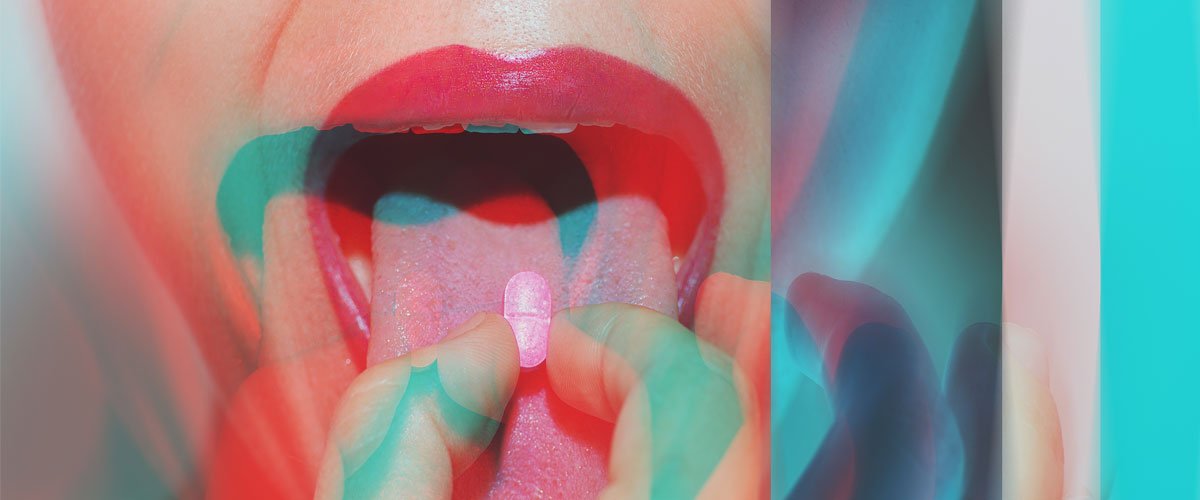
LSD microdosing involves taking very small, sub-perceptual doses of lysergic acid diethylamide—typically one-tenth to one-twentieth of a recreational dose. Unlike a full psychedelic trip, a microdose does not cause hallucinations. Instead, users report subtle changes in focus, energy, and emotional balance.The practice usually follows a structured schedule, such as taking a dose every third day, allowing the brain to benefit without building tolerance.
How LSD Microdosing May Support Addiction Recovery
Addiction alters the brain’s reward system and decision-making processes, often making recovery difficult. LSD interacts with serotonin receptors, particularly the 5-HT2A receptor, which plays a major role in mood, cognition, and impulse control.Researchers believe LSD microdosing could support recovery by:
Potential Benefits for Cravings, Mood, and Motivation
Although evidence is still emerging, reports suggest microdosing LSD may help in three key areas:The UK Perspective on LSD Microdosing Research
In the UK, LSD is classified as a Class A drug under the Misuse of Drugs Act, making it illegal to possess, supply, or use. Despite this, research into psychedelics is gaining momentum.These efforts are helping shift the conversation about psychedelics in UK health care, though full clinical approval remains years away.
Safety, Legal Status, and Considerations
While LSD microdosing appears promising, there are important risks and limitations:Because of these factors, experts stress that LSD microdosing should not be attempted outside legal and supervised research settings.
Final Thoughts on LSD Microdosing and Recovery
LSD microdosing is not a magic cure for addiction, but it may hold potential as a complementary tool in recovery programmes. By reducing cravings, supporting mood stability, and encouraging healthier brain pathways, it could one day become part of holistic treatment strategies.For now, in the UK, the practice remains experimental, illegal outside research, and far from clinically approved. As studies progress, LSD microdosing may eventually shift from underground practice to evidence-based therapy. Until then, its role in addiction recovery remains one of science’s most intriguing questions.
Share this Post
Author
Alch is a wellness writer and holistic lifestyle enthusiast passionate about ancient traditions and modern mindful living. With a focus on plant-based practices and spiritual wellness, to help others find balance, connection, and inner healing.
Comments (1)
For me, ecotherapy is the best medicine. Just getting outside and being in nature, even in a local park, completely shifts my mood. It's so grounding and reminds me of the bigger picture.
January 19, 2026 at 8:27 pm