
Morning Glory Fungus: Health and Mental Benefits
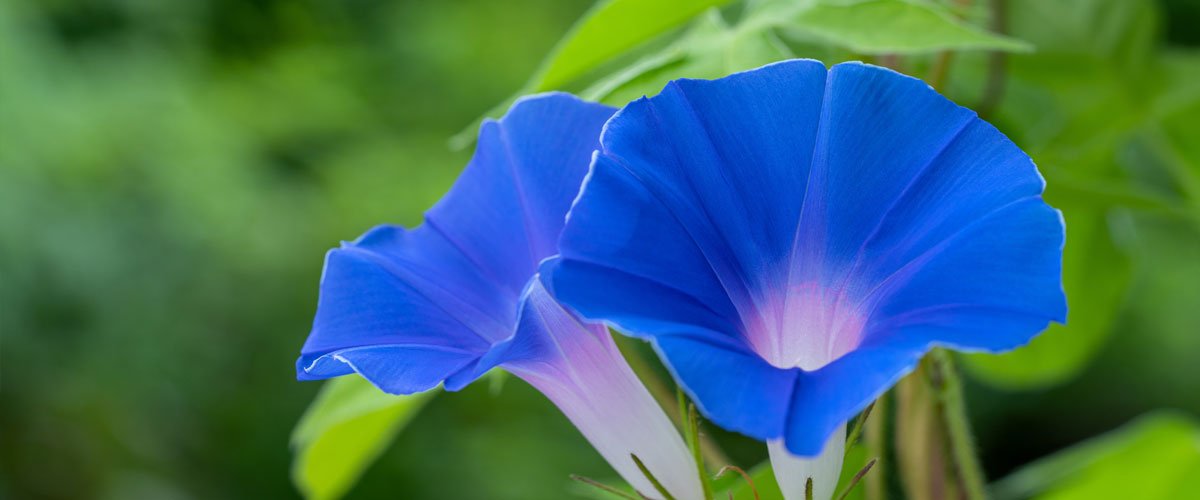
Morning glory flowers are admired worldwide for their vibrant colors and fast-growing vines. But beyond their beauty lies something far more intriguing: the morning glory fungus. This endophytic fungus lives inside morning glory plants and produces unique compounds with potential health and mental benefits. Scientists are beginning to uncover how this hidden partnership could influence wellness, mood, and even medical research.
What Is Morning Glory Fungus?
Morning glory fungus, scientifically known as Periglandula, belongs to a group of microorganisms called endophytic fungi. These fungi live within plant tissues without causing harm. Instead, they form a symbiotic relationship—the plant provides shelter and nutrients, while the fungus produces chemical compounds that can benefit the host.In morning glories,
How Morning Glory Fungus Works in Plants
The fungus produces alkaloids directly within the plant’s tissues, which serve as a natural defense system. These compounds help protect the morning glory from herbivores, insects, and pathogens. This protective chemistry benefits both the plant and potentially humans who explore the effects of these compounds.The most studied alkaloids include ergine (LSA), which interacts with serotonin receptors in the brain. While not as potent as synthetic psychedelics, these compounds suggest that morning glory fungus may have mood-regulating and perception-altering effects.
Mental Health Benefits of Morning Glory Fungus
Early research and historical accounts suggest that compounds from morning glory fungus may influence mental well-being:It’s important to note that controlled human studies are limited. Most evidence comes from lab studies and cultural practices, but the serotonin connection is strong enough to spark scientific interest.
Physical and Wellness Benefits
Beyond mental health, morning glory fungus may also offer broader wellness benefits:Researchers are only beginning to explore these possibilities, but the natural chemical diversity of endophytes makes them promising for future medicine.
What the Research Says
While human clinical research is still in its infancy, several studies highlight the potential of morning glory fungus:Because these compounds are naturally occurring, they’re attracting interest as potential leads for new medicines in psychiatry and holistic health.
The Bottom Line on Morning Glory Fungus
Morning glory fungus may not be as well-known as its host plant, but it carries remarkable potential. By producing unique alkaloids, it influences both the health of the morning glory and, possibly, the well-being of humans. From mood support and creativity to immune defense and antioxidant benefits, this hidden fungal partner deserves more scientific attention.While much of the research is preliminary, the connection between morning glory fungus and mental health is promising. As studies advance, we may see Periglandula and its compounds play a role in future approaches to natural medicine and mental wellness.
Share this Post
Author

Alch is a wellness writer and holistic lifestyle enthusiast passionate about ancient traditions and modern mindful living. With a focus on plant-based practices and spiritual wellness, to help others find balance, connection, and inner healing.
Comments (1)
This article gives me so much hope. I've felt stuck with traditional approaches, and exploring the mind-body connection feels like the right path for me. Thank you for opening my eyes to these possibilities.
March 27, 2026 at 7:38 am